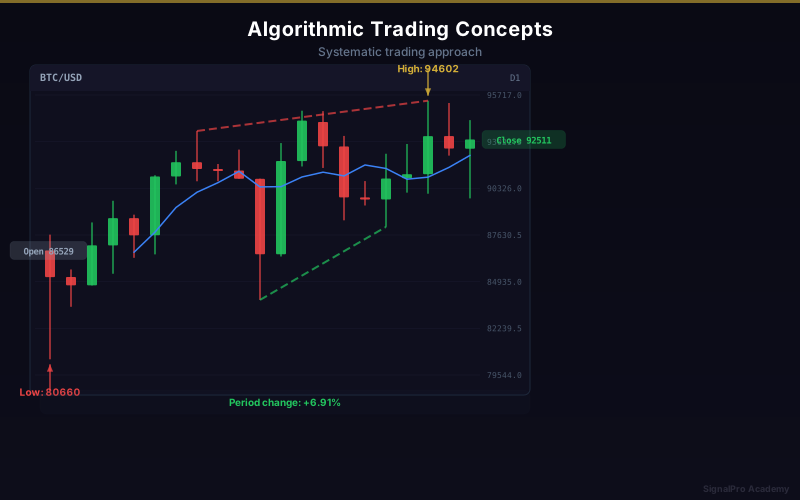
Algorithmic Trading Concepts
Automated trading removes emotion and increases consistency.
What is Algorithmic Trading?
- Trading using computer programs
- Rules-based execution
- Removes emotional decisions
- Operates 24/5 without fatigue
Types of Trading Algorithms
Trend Following
- Moving average crossovers
- Breakout systems
- Momentum strategies
Mean Reversion
- Bollinger Band systems
- RSI overbought/oversold
- Statistical arbitrage
Market Making
- Profit from bid-ask spread
- High-frequency trading
- Requires significant capital
Building an Algorithm
Step 1: Strategy Definition
- Clear entry rules
- Clear exit rules
- Risk parameters
Step 2: Backtesting
- Test on historical data
- Avoid curve fitting
- Use out-of-sample testing
Step 3: Optimization
- Find optimal parameters
- Don't over-optimize
- Keep it simple
Step 4: Forward Testing
- Demo account testing
- Real market conditions
- Monitor for issues
Step 5: Live Deployment
- Start with small size
- Monitor closely
- Have kill switch ready
Key Metrics
- Sharpe Ratio: Risk-adjusted returns
- Max Drawdown: Worst peak-to-trough
- Win Rate: Percentage of winners
- Profit Factor: Gross profits / Gross losses
- Expectancy: Average profit per trade
Common Pitfalls
- Overfitting to past data
- Ignoring transaction costs
- Not accounting for slippage
- No risk management
- Set and forget mentality
Getting Started
- Learn basic programming
- Start with simple strategies
- Use platforms like MT4/MT5 or TradingView
- Paper trade extensively before going live
Lesson Discussion