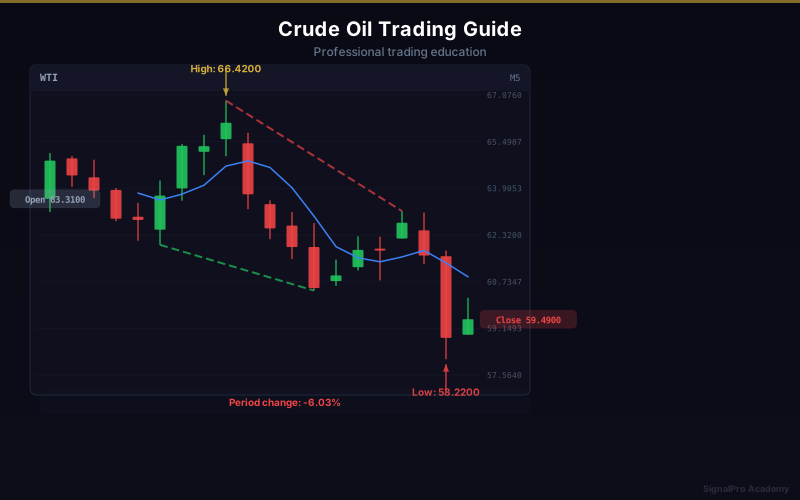
Crude Oil Trading Guide
Crude oil is the lifeblood of the global economy and one of the most actively traded commodities with massive daily volume.
Types of Crude Oil
WTI (West Texas Intermediate)
- Benchmark for North American oil
- Traded on NYMEX/CME
- Lighter and sweeter (lower sulfur)
- Delivered at Cushing, Oklahoma
Brent Crude
- Global benchmark for 2/3 of world's oil
- Traded on ICE (London)
- Slightly heavier than WTI
- North Sea origin
The WTI-Brent Spread
- Difference between the two prices
- Normally Brent trades at premium
- Spread fluctuates with supply dynamics
- Some traders specifically trade this spread
What Drives Oil Prices?
Supply Factors
- OPEC production decisions
- US shale production levels
- Geopolitical disruptions (Middle East)
- Strategic petroleum reserve releases
- Pipeline and refinery capacity
Demand Factors
- Global economic growth (GDP)
- China and India consumption growth
- Seasonal demand (driving, heating)
- Electric vehicle adoption rate
- Industrial activity levels
Inventory Data
- EIA Weekly Petroleum Status Report (Wednesday)
- API Weekly Statistical Bulletin (Tuesday)
- Build = bearish, Draw = bullish
- Cushing storage levels important
Trading Oil Effectively
Key Reports to Watch
- EIA Crude Oil Inventories: Every Wednesday
- OPEC Monthly Oil Market Report
- IEA Monthly Oil Market Report
- Baker Hughes Rig Count: Friday
Technical Analysis for Oil
- Oil respects key round numbers ($70, $80, $90)
- Previous OPEC decision levels act as support/resistance
- Weekly chart provides best structural levels
- RSI divergence works well on oil
Correlations
- USD negative correlation (oil priced in dollars)
- Canadian Dollar positive (Canada exports oil)
- Norwegian Krone positive
- Equity markets (economic growth indicator)
Oil Trading Strategies
Inventory Report Trading
- Note consensus expectations before release
- Compare actual data to expectations
- Large deviations create tradeable moves
- Wait for initial spike to settle
- Trade in the direction of the deviation
OPEC Decision Trading
- Monitor OPEC meeting dates
- Analyze pre-meeting rhetoric
- Position sizing should be smaller
- Expect high volatility during announcements
- Often a "buy the rumor, sell the fact" dynamic
Seasonal Strategies
- Summer driving season: Demand increase (May-September)
- Winter heating season: Natural gas and heating oil demand
- Refinery maintenance: Spring and fall (reduced demand)
Risk Management
- Oil can move $3-5 per barrel in a day
- 1 standard lot WTI = $10 per 1-cent move
- Use wider stops than forex
- News events can cause gap moves
- Position size conservatively
Key Takeaways
- WTI and Brent are the two main oil benchmarks
- OPEC decisions have massive price impact
- Weekly EIA inventory data moves prices
- Oil has strong seasonal patterns
- Correlates with USD, CAD, and global growth
Lesson Discussion