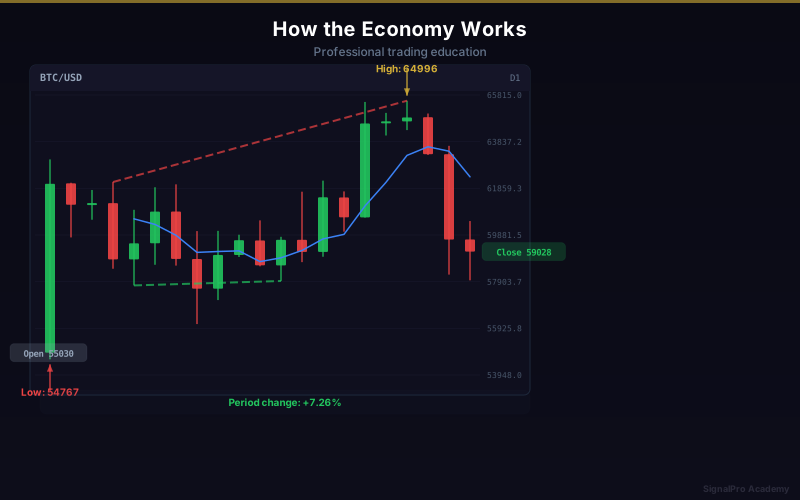
How the Economy Works
Understanding the economy is essential for any trader or investor. Economic forces drive markets, influence central bank decisions, and determine asset prices.
The Economic Machine
Basic Components
- Transactions: Every purchase is a transaction
- Markets: Collection of buyers and sellers
- Government: Fiscal policy (taxes, spending)
- Central Bank: Monetary policy (interest rates, money supply)
The Business Cycle
Expansion Phase- GDP growing
- Unemployment falling
- Consumer confidence rising
- Stock markets typically rising
- Central banks may raise rates
- Maximum economic activity
- Inflation concerns emerge
- Asset prices may be overvalued
- Interest rates typically at highs
- GDP declining (2 consecutive quarters)
- Unemployment rising
- Consumer spending falling
- Stock markets typically declining
- Central banks cut rates
- Economic activity at lowest point
- Recovery begins
- Best time to invest (historically)
- Central banks at most accommodative
Key Economic Indicators
Leading Indicators (Predict Future)
- Stock market performance
- Building permits
- Consumer confidence index
- Manufacturing new orders
- Yield curve shape
Coincident Indicators (Current State)
- GDP growth rate
- Employment levels
- Personal income
- Industrial production
Lagging Indicators (Confirm Trends)
- Unemployment rate
- CPI (inflation)
- Corporate profits
- Interest rates
Money and Credit
How Money is Created
- Central banks set the base money supply
- Commercial banks create credit through lending
- Every loan creates a new deposit
- The money multiplier effect
Credit Cycles
- Short-term debt cycle: 5-8 years
- Long-term debt cycle: 75-100 years
- Deleveraging occurs at end of long-term cycle
- Understanding credit cycles helps predict markets
Fiscal vs Monetary Policy
Fiscal Policy (Government)
- Taxation levels
- Government spending
- Budget deficits and surpluses
- Infrastructure investment
Monetary Policy (Central Bank)
- Interest rate decisions
- Open market operations
- Quantitative easing/tightening
- Reserve requirements
How This Affects Trading
Stocks
- Low rates = bullish for stocks
- Strong economy = higher earnings
- Recession = bear markets typically
Forex
- Higher interest rates strengthen currency
- Strong economy attracts foreign investment
- Trade balances affect currency demand
Commodities
- Economic growth increases commodity demand
- Inflation fears boost gold prices
- Oil demand tied to economic activity
Key Takeaways
- The economy moves in cycles - expansion, peak, contraction, trough
- Leading indicators help predict future economic direction
- Central banks and governments use different tools to manage the economy
- Credit cycles are the primary driver of economic fluctuations
- Understanding economics helps you anticipate market movements
Lesson Discussion