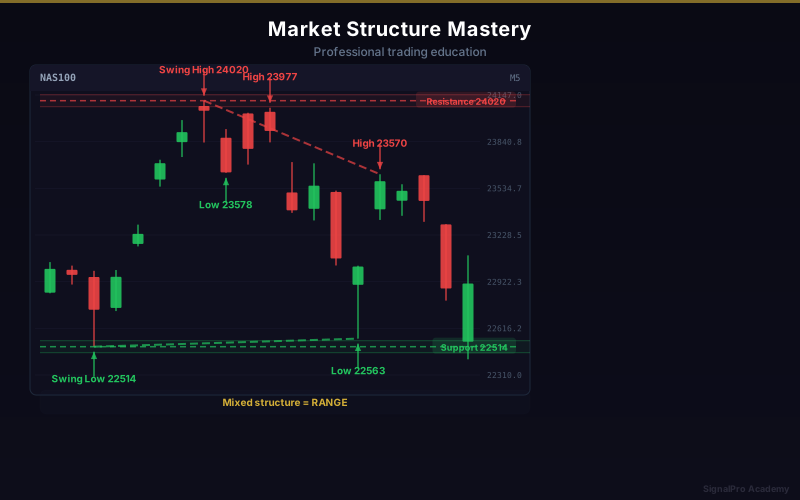
Market Structure Mastery
Market structure is the backbone of SMC trading - understanding how price creates swing points and trends.
Swing Points
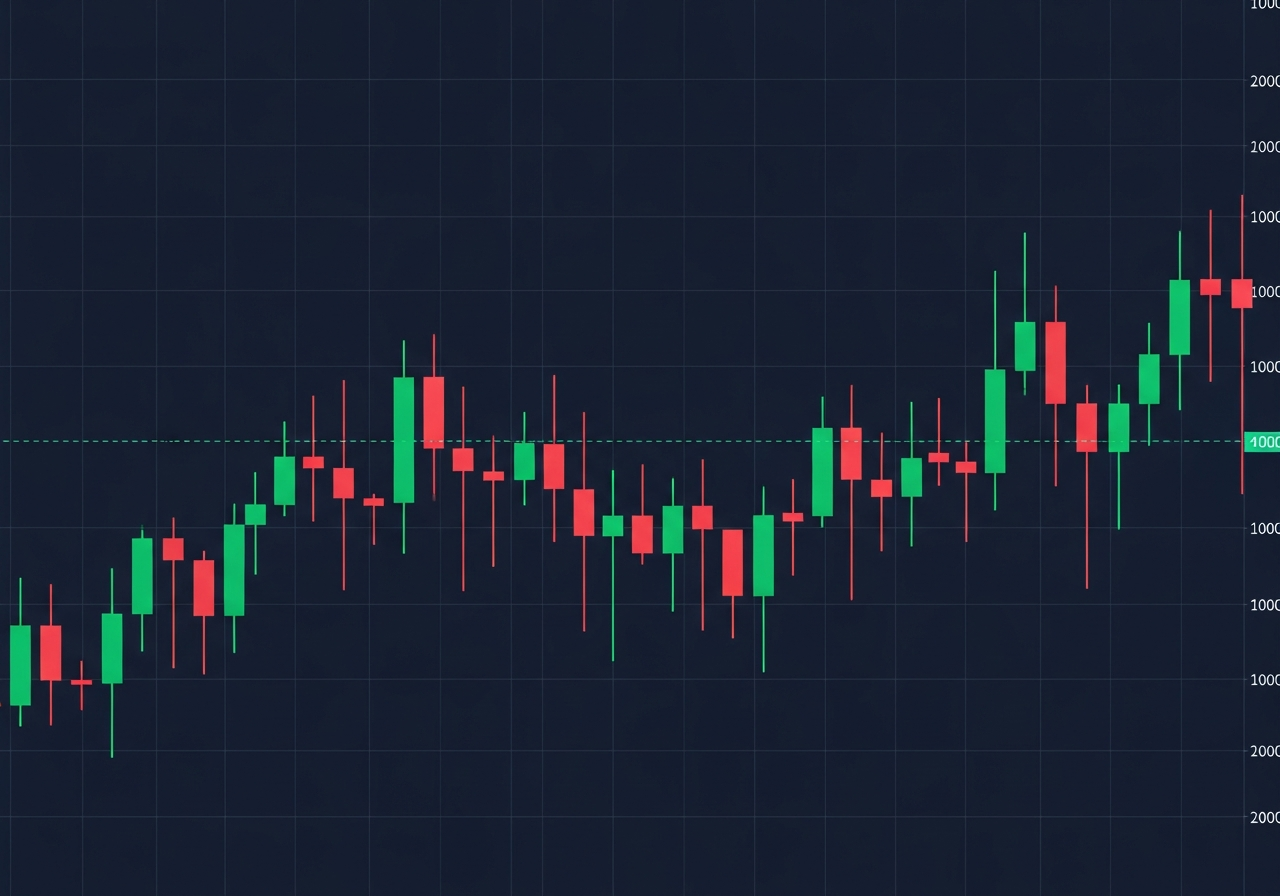
Swing High
- A candle high with lower highs on both sides
- Represents temporary selling pressure
- Potential resistance
Swing Low
- A candle low with higher lows on both sides
- Represents temporary buying pressure
- Potential support
Bullish Structure
Characteristics
- Higher highs (HH)
- Higher lows (HL)
- Strong impulse moves up
- Shallow pullbacks
Trading It
- Look for longs only
- Enter on pullbacks to HL
- Target new HH
Bearish Structure
Characteristics
- Lower highs (LH)
- Lower lows (LL)
- Strong impulse moves down
- Shallow pullbacks
Trading It
- Look for shorts only
- Enter on pullbacks to LH
- Target new LL
Break of Structure (BOS)
Definition
- When price breaks a significant swing point
- Confirms continuation of trend
- Entry signal for trend traders
Bullish BOS
- Price breaks above previous swing high
- Confirms bullish structure
- Look for longs on pullback
Bearish BOS
- Price breaks below previous swing low
- Confirms bearish structure
- Look for shorts on pullback
Change of Character (CHOCH)
Definition
- First sign of potential trend reversal
- Break against current structure
- More significant than BOS
Bullish CHOCH
- In downtrend, price breaks above swing high
- Signals potential reversal to uptrend
- Wait for confirmation
Bearish CHOCH
- In uptrend, price breaks below swing low
- Signals potential reversal to downtrend
- Wait for confirmation
Internal vs External Structure
External (HTF)
- Major swing points
- Defines overall trend
- Weekly/Daily structure
Internal (LTF)
- Minor swings within trends
- Entry timing
- H4/H1/M15 structure
Practical Tips
- Always identify HTF structure first
- Trade in direction of HTF trend
- Use LTF for precise entries
- Mark significant swing points
- Wait for structure confirmation
Lesson Discussion