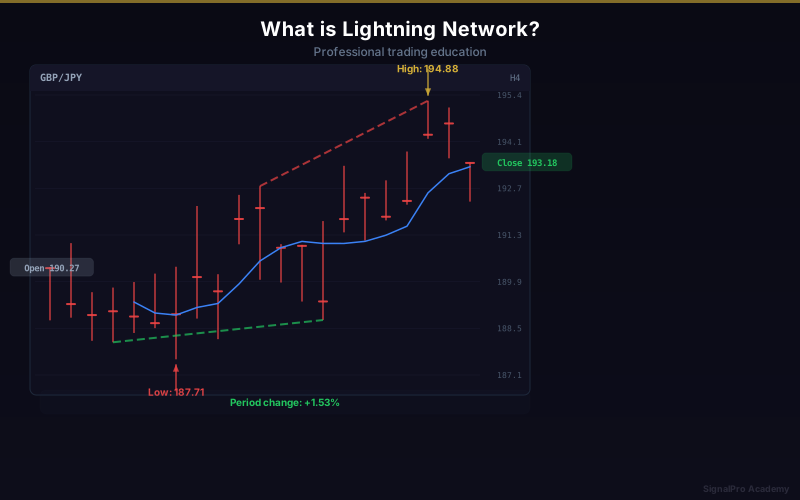
What is Lightning Network?
Quick Definition
Lightning Network is one of the most actively traded instruments in the crypto market. Understanding its mechanics is the first step toward trading it consistently.
Why Lightning Network Matters
- High liquidity means tight spreads and fast order execution.
- Predictable behavior during major sessions allows for repeatable setups.
- Reacts strongly to specific economic releases — once you know which ones, you can plan trades in advance.
How It Moves
Price action on Lightning Network responds to a mix of macro fundamentals, sentiment shifts and order-flow imbalances. Understanding which factor is dominant on a given day is what separates profitable traders from gamblers.
Typical Daily Range
The daily range varies with volatility cycles. Always check the average true range (ATR) on the daily timeframe before sizing your position.
Trading Approach for Beginners
- Watch the higher timeframe first. Identify the daily/4h trend before zooming into the 1h or 15m.
- Wait for confirmation. Use a simple confluence rule: price + structure + at least one indicator agreeing.
- Risk only 0.5–1% per trade. Beginners should never risk more than 1% on any single position.
- Trade only during the high-volume window. Outside these hours, spreads widen and slippage destroys edges.
Common Mistakes Beginners Make
- Trading too small a timeframe (1m, 5m) without enough experience.
- Ignoring news releases that move Lightning Network sharply.
- Using leverage they don't understand — leverage is a multiplier of both gains AND losses.
- Closing winners early and letting losers run.
Pro Tips
- Keep a trading journal specific to Lightning Network. Note which sessions, which patterns and which news events worked for you.
- Backtest before going live. Use historical data to validate at least 100 trades before risking real money.
- Demo for 30 days minimum. Treat your demo account like real money — your habits there will carry into your live account.
Bottom Line
Lightning Network is accessible to beginners, but only when approached with structure, patience and risk management. Master the basics, build a routine, and resist the urge to chase quick wins.
Pro Tip: Open a trading journal in SignalPro and tag every Lightning Network trade. After 50 trades you'll have hard data on your real edge.
Lesson Discussion