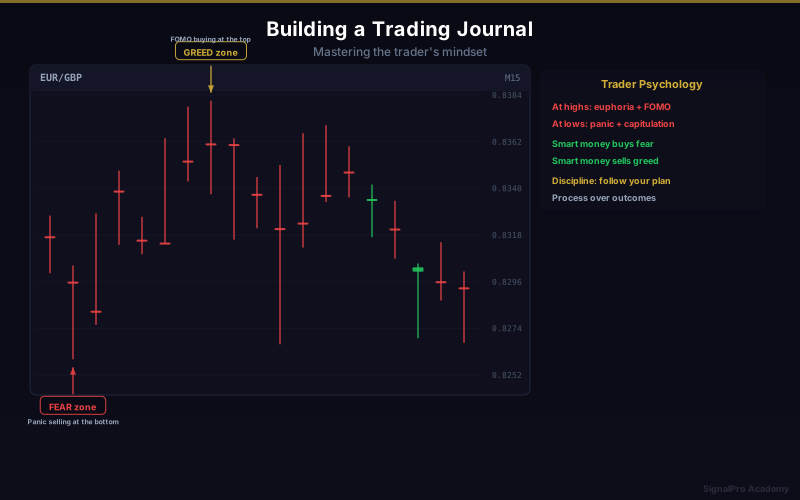
Building a Trading Journal
A trading journal is the most powerful tool for improving your trading performance.
Why Keep a Trading Journal?
Benefits
- Identify patterns in your trading
- Spot recurring mistakes
- Track what works and what does not
- Build accountability
- Measure improvement over time
What Successful Traders Know
- All professionals keep records
- Data reveals hidden patterns
- Emotions distort memory
- Objective review improves performance
What to Record
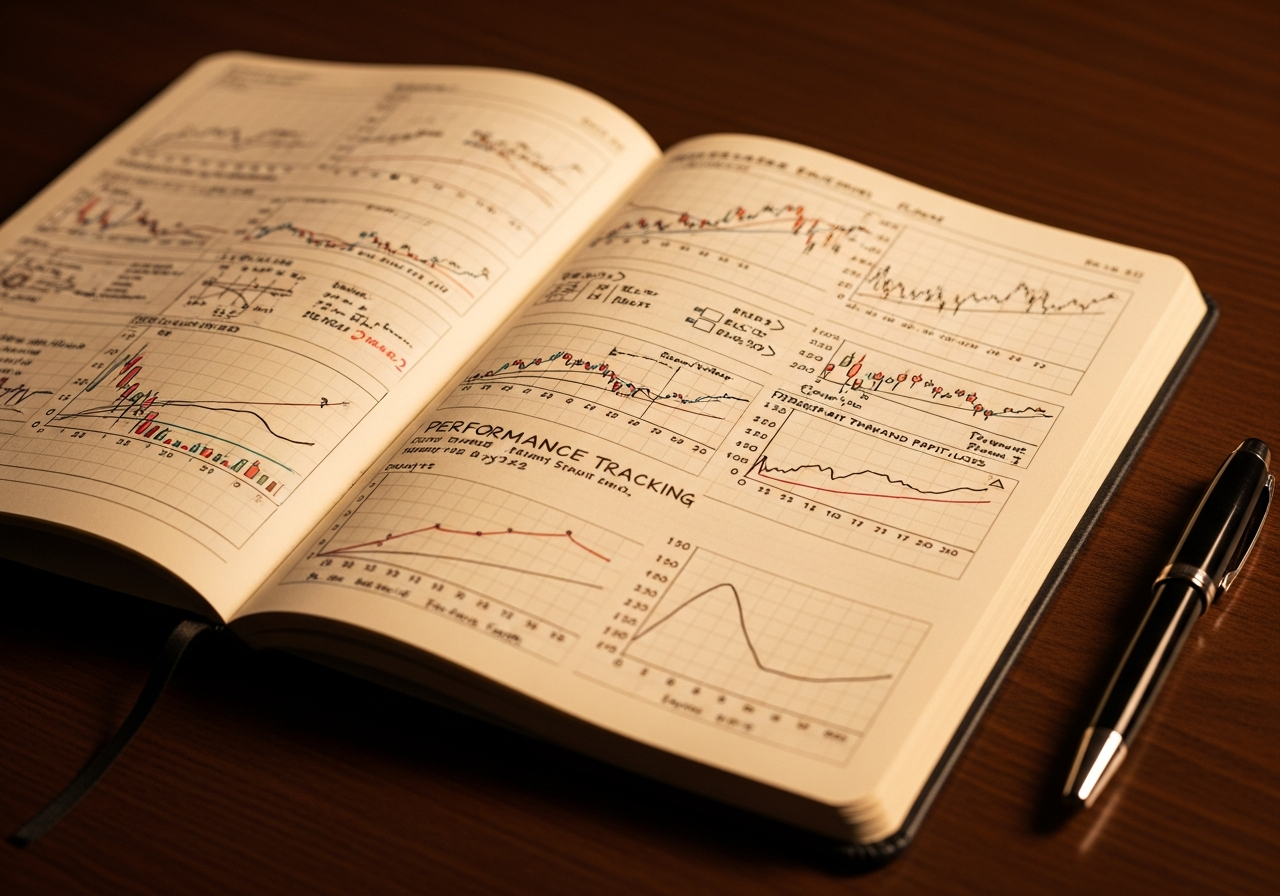
Basic Trade Information
- Date and time
- Currency pair
- Direction (long/short)
- Entry and exit price
- Position size
- Stop loss and take profit
- Result (pips and dollars)
Analysis Details
- Setup type (what pattern/strategy)
- Timeframe used
- Reason for entry
- Reason for exit
- Screenshot of entry
Psychological Factors
- Emotional state before trade
- Confidence level (1-10)
- Did you follow your plan?
- What would you do differently?
Journal Review Process
Daily Review
- Record all trades same day
- Note lessons while fresh
- Quick emotional assessment
Weekly Review
- Calculate win rate
- Average R:R achieved
- Best and worst trades
- Pattern identification
Monthly Review
- Overall P&L
- Equity curve analysis
- Strategy performance by setup
- Adjustment decisions
Common Insights from Journaling
- Best performing timeframes
- Pairs you trade well (and poorly)
- Time of day you perform best
- Mistakes you keep repeating
- Emotional triggers
Tools for Journaling
- Spreadsheet (Excel, Google Sheets)
- Dedicated apps (Edgewonk, Tradervue)
- Simple notebook
- Screenshot folder organized by date
Lesson Discussion