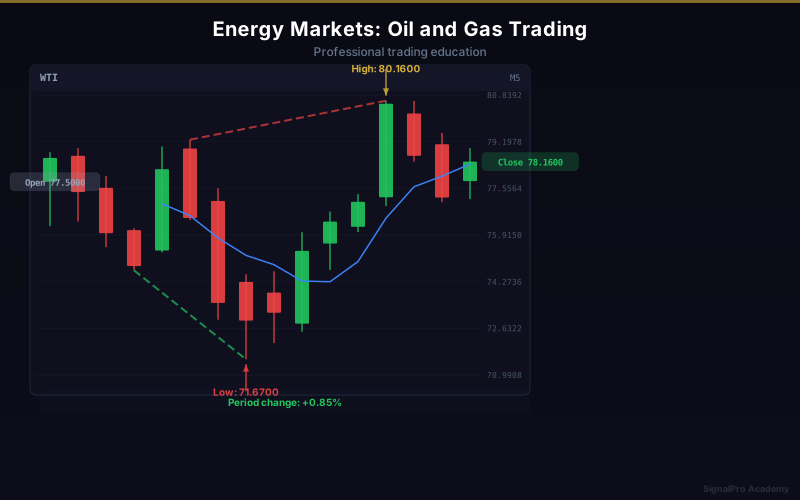
Energy Markets: Oil and Gas Trading
Energy markets are among the most liquid and volatile in the world. Crude oil in particular moves markets globally and influences everything from consumer prices to geopolitics.
Understanding Crude Oil
The Benchmarks
- WTI (West Texas Intermediate): US benchmark, traded on NYMEX
- Brent Crude: International benchmark, traded on ICE
- WTI is typically $2-5 cheaper than Brent
- The spread reflects regional supply/demand differences
What Drives Oil Prices
OPEC+ Decisions- OPEC+ controls approximately 40% of global production
- Production cuts reduce supply and push prices higher
- Production increases flood the market and push prices lower
- Meetings are among the most watched events in commodity markets
- Saudi Arabia is the swing producer with most spare capacity
- Transportation fuels account for about 60% of demand
- Industrial usage and petrochemicals
- China and India are the fastest-growing demand centers
- Seasonal patterns: gasoline demand peaks in summer, heating oil in winter
- EIA Weekly Petroleum Status Report: Every Wednesday
- API Weekly Statistical Bulletin: Every Tuesday (preview)
- Builds (more inventory) are bearish
- Draws (less inventory) are bullish
- Cushing, Oklahoma storage levels are especially important for WTI
- Middle East tensions can spike oil immediately
- Sanctions on major producers (Russia, Iran, Venezuela)
- Shipping route disruptions (Strait of Hormuz, Suez Canal)
- Political instability in producing nations
Refining and Products
Crack Spread
- The difference between crude oil and refined product prices
- Gasoline crack = Gasoline price - Crude oil price
- Heating oil crack = Heating oil price - Crude oil price
- High crack spreads = refiner profitability = strong demand for crude
Seasonal Product Demand
- Spring: Refinery maintenance, gasoline blend preparation
- Summer: Driving season, peak gasoline demand
- Fall: Transition to heating oil production
- Winter: Heating oil and natural gas demand
Trading Oil
Key Reports
- EIA Weekly Report: Wednesday 10:30 AM ET
- Baker Hughes Rig Count: Friday
- OPEC Monthly Report: Monthly
- IEA Monthly Oil Market Report: Monthly
Strategies
- Inventory report trading: Trade the deviation from expectations
- OPEC meeting plays: Position before key decisions
- Seasonal patterns: Gasoline rally into summer, heating oil in fall
- Technical breakouts: Oil respects trend channels well
- Spread trading: WTI-Brent spread, crack spreads
Risk Management
- Oil can move $2-5 per barrel in a single session
- Each WTI contract = 1,000 barrels ($1 move = $1,000)
- Use micro crude contracts (MCL) for smaller position sizes
- Geopolitical events can cause overnight gaps
- Never fight OPEC decisions
Key Takeaways
- OPEC+ decisions are the single most important oil price driver
- Weekly inventory reports create regular trading opportunities
- Oil has strong seasonal patterns tied to product demand
- Geopolitical risk is always present in energy markets
- Position sizing is critical given the dollar value per contract
Lesson Discussion