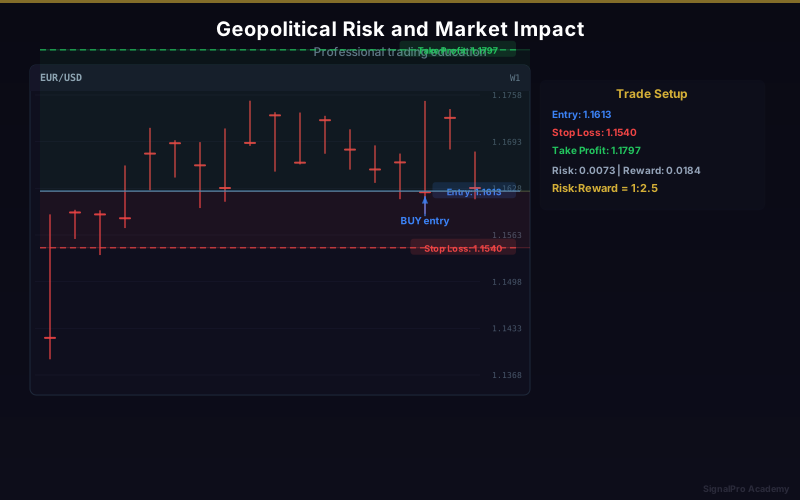
Geopolitical Risk and Market Impact
Geopolitical events can move markets instantly and dramatically. While unpredictable in timing, understanding how markets react to geopolitical risk helps you manage exposure and spot opportunities.
Types of Geopolitical Risk
Armed Conflict
- Wars and military actions create immediate market reaction
- Energy-producing region conflicts spike oil prices
- Safe haven flows intensify (gold, USD, CHF, JPY, government bonds)
- Risk assets sell off (stocks, EM currencies)
- Duration of impact depends on scale and proximity to economic centers
Sanctions and Trade Restrictions
- Economic sanctions can isolate entire economies
- Target specific industries, individuals, or entire countries
- Disrupt supply chains and commodity flows
- Examples: Russia sanctions affecting energy, semiconductor export controls on China
Political Instability
- Elections that change policy direction
- Coups and regime changes
- Policy uncertainty (tax changes, regulation, nationalization)
- Populist movements challenging economic orthodoxy
Terrorism and Cybersecurity
- Market impact usually short-lived unless economically significant
- Cyberattacks on infrastructure can disrupt commodity flows
- Insurance and defense sectors often benefit
Market Reactions to Geopolitical Events
The Typical Pattern
- Immediate shock: Sharp sell-off in risk assets, spike in safe havens
- Assessment phase: Markets evaluate actual economic impact
- Adjustment: Markets re-price based on new reality
- Resolution or normalization: Markets adapt to "new normal"
The Old Wall Street Wisdom
- "Buy the rumor, sell the news" applies in reverse for geopolitics
- "Buy the cannon, sell the trumpet" - markets often bottom when conflict peaks
- Markets tend to overreact initially and then recover
- The exception: Events that permanently change economic fundamentals
Safe Haven Flows
Traditional Safe Havens
- US Dollar: The ultimate safe haven (world reserve currency)
- Gold: Timeless store of value during uncertainty
- Japanese Yen: Repatriation flows during crises
- Swiss Franc: Political neutrality, banking stability
- US Treasuries: Risk-free rate benchmark
Modern Safe Havens
- Bitcoin is debated as a safe haven (mixed evidence)
- The dollar's role may evolve with de-dollarization trends
- During systemic crises, only true safe havens maintain bids
Trading Geopolitical Risk
Risk Management
- Reduce overall leverage during heightened geopolitical tension
- Diversify across asset classes and geographies
- Use options for tail risk protection (put options on equity indices)
- Maintain cash reserves for opportunity buying
- Position sizes should be smaller when uncertainty is elevated
Opportunity Trading
- Buy safe havens early when tensions are escalating
- Sell safe havens when conflict de-escalates or resolves
- Buy risk assets after the panic selling subsides
- Trade commodity disruptions (oil spikes, grain spikes)
- Position for policy responses (sanctions impact on specific currencies)
Current Geopolitical Themes
US-China Strategic Competition
- Technology restrictions and semiconductor controls
- Taiwan tensions and supply chain implications
- Trade policy shifts (tariffs, investment restrictions)
- Military posturing in the Pacific
Energy Security
- Europe reducing Russian energy dependence
- Middle East instability affecting oil supply
- Energy transition geopolitics (critical minerals)
- LNG infrastructure changing global gas trade
De-globalization and Reshoring
- Supply chain security becoming national security priority
- Friend-shoring and nearshoring trends
- Higher costs but more resilient supply chains
- Benefits domestic manufacturing in developed economies
Key Takeaways
- Geopolitical events cause immediate safe haven flows
- Initial market reactions often overestimate the long-term impact
- Energy supply disruptions have the most persistent economic effects
- Position conservatively when geopolitical risk is elevated
- The best opportunities often come from buying the panic
Lesson Discussion