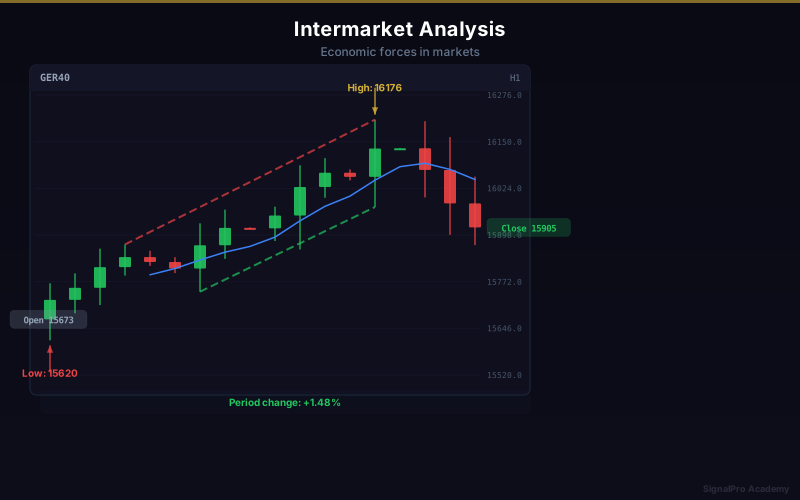
Intermarket Analysis
Understanding how different markets interact provides powerful trading insights.
What is Intermarket Analysis?
Definition
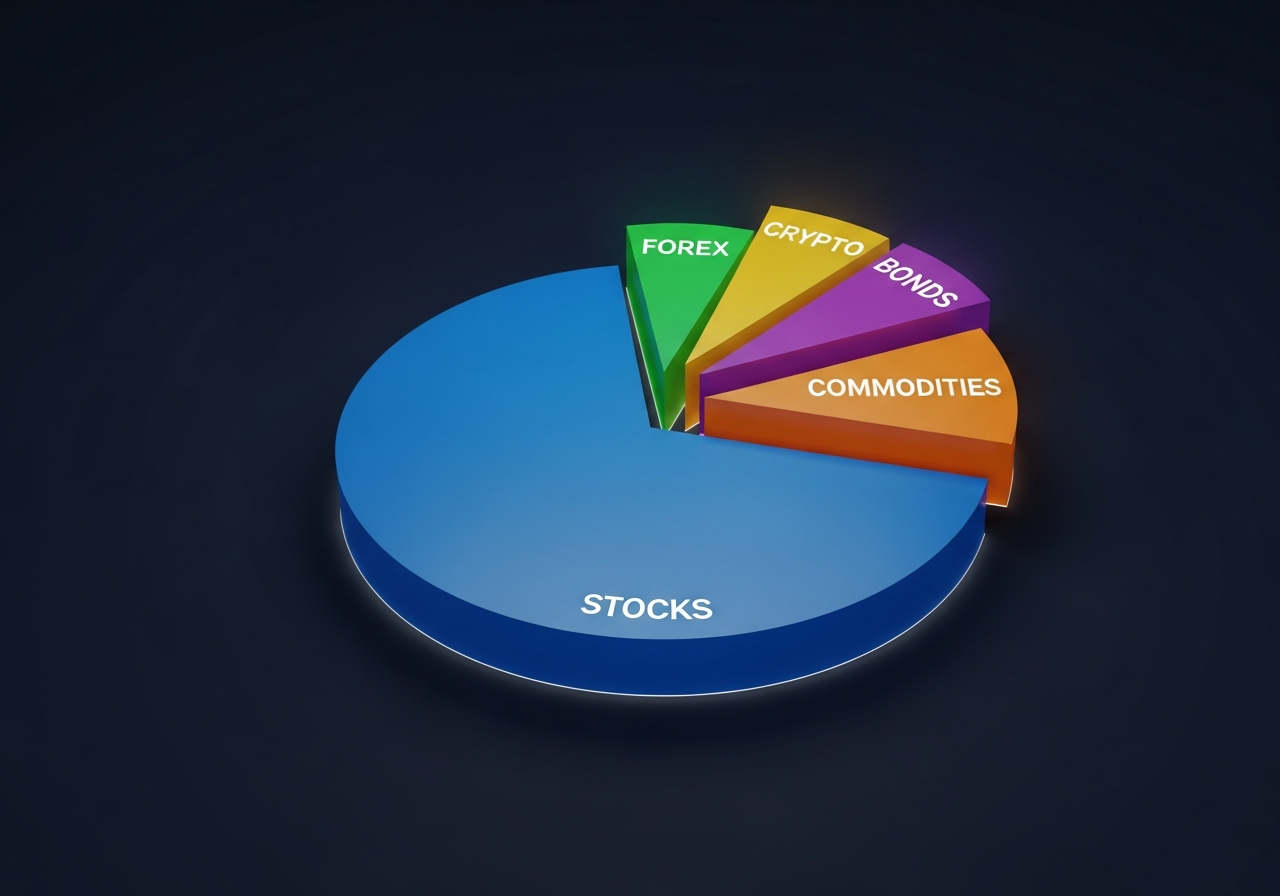
- Studying relationships between asset classes
- Currencies, stocks, bonds, commodities
- One market can predict another
- Big picture perspective
Why It Matters
- Currency values exist in context
- Major flows affect all markets
- Early warning signals
- Confirms or questions your trades
Key Relationships
USD and Gold
- Generally inverse correlation
- Weak USD = rising gold
- Safe haven flows affect both
- Not always perfect correlation
USD/CAD and Oil
- Canada is major oil exporter
- Rising oil = stronger CAD
- USD/CAD falls when oil rises
- Watch crude oil for CAD trades
AUD and Commodities
- Australia exports iron ore, coal, gold
- Rising commodities = stronger AUD
- AUD/USD tracks commodity index
- China demand affects AUD
USD/JPY and Risk Sentiment
- JPY is safe haven currency
- Risk-off = JPY strength
- Stock market crash = USD/JPY falls
- Risk-on = USD/JPY rises
Stock Market Correlations
S&P 500 and Risk Currencies
- Rising stocks = risk-on
- AUD, NZD, CAD strengthen
- JPY, CHF weaken
- Monitor equity markets
Bond Market Signals
Interest Rate Differentials
- Higher rates attract capital
- Currency strengthens
- Watch 2-year and 10-year yields
- Compare between countries
Practical Application
Daily Routine
- Check major indices (S&P, Nikkei, DAX)
- Monitor oil and gold
- Watch bond yields
- Assess risk sentiment
- Align forex trades
Confirmation Trading
- EUR/USD bullish setup
- Check if USD is weak across assets
- Gold rising, DXY falling?
- Multiple market agreement = higher confidence
Lesson Discussion