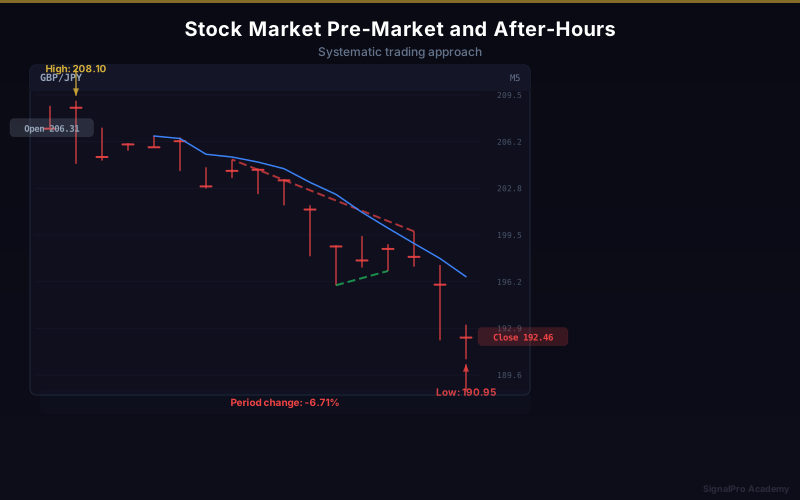
Pre-Market and After-Hours Trading
Extended hours trading gives you an edge by reacting to news and earnings before the regular session opens.
What is Extended Hours Trading?

Pre-Market
- 4:00 AM - 9:30 AM EST (varies by broker)
- React to overnight news and earnings
- Set up positions before the crowd
- Lower liquidity than regular hours
After-Hours
- 4:00 PM - 8:00 PM EST
- React to earnings releases
- Position for next day
- Can be very volatile
Key Characteristics
Lower Liquidity
- Fewer participants
- Wider bid-ask spreads
- Larger price swings possible
- More difficult to fill large orders
Price Gaps
- Extended hours price does not always hold
- A stock up 5% pre-market may give it all back at open
- Or it may gap even further
- Context matters
Pre-Market Trading Strategies
Earnings Gap Strategy
- Company reports earnings after close or pre-market
- Identify the gap direction and magnitude
- If gap aligns with technical setup, enter pre-market
- Use limit orders only (no market orders)
- Set wider stops due to lower liquidity
News Reaction Strategy
- Monitor news feeds before market open
- Identify stocks with significant news
- Check pre-market volume (higher = more reliable)
- Enter in direction of the move
- Be prepared for reversal at market open
Opening Range Strategy
- Note the pre-market high and low
- Wait for market to open (9:30 AM)
- First 15-minute candle sets the opening range
- Trade breakout of this range
- Pre-market levels as targets or stops
After-Hours Trading Strategies
Earnings Fade
- Wait for initial earnings reaction
- If the move seems overdone, fade it
- Enter against the extreme move
- Small size due to high risk
- Target: 50% retracement of the spike
Risks of Extended Hours
- Wide spreads increase trading costs
- Low volume means harder exits
- Price action may not reflect regular session
- Greater chance of being trapped
- Not suitable for beginners
Key Takeaways
- Extended hours offer opportunity but with higher risk
- Always use limit orders, never market orders
- Focus on high-volume pre-market movers
- Earnings reactions are the primary opportunity
- Size smaller than regular session trades
Lesson Discussion