Channel Trading Strategies
Channels provide a framework for trading with defined risk and reward.
Types of Channels
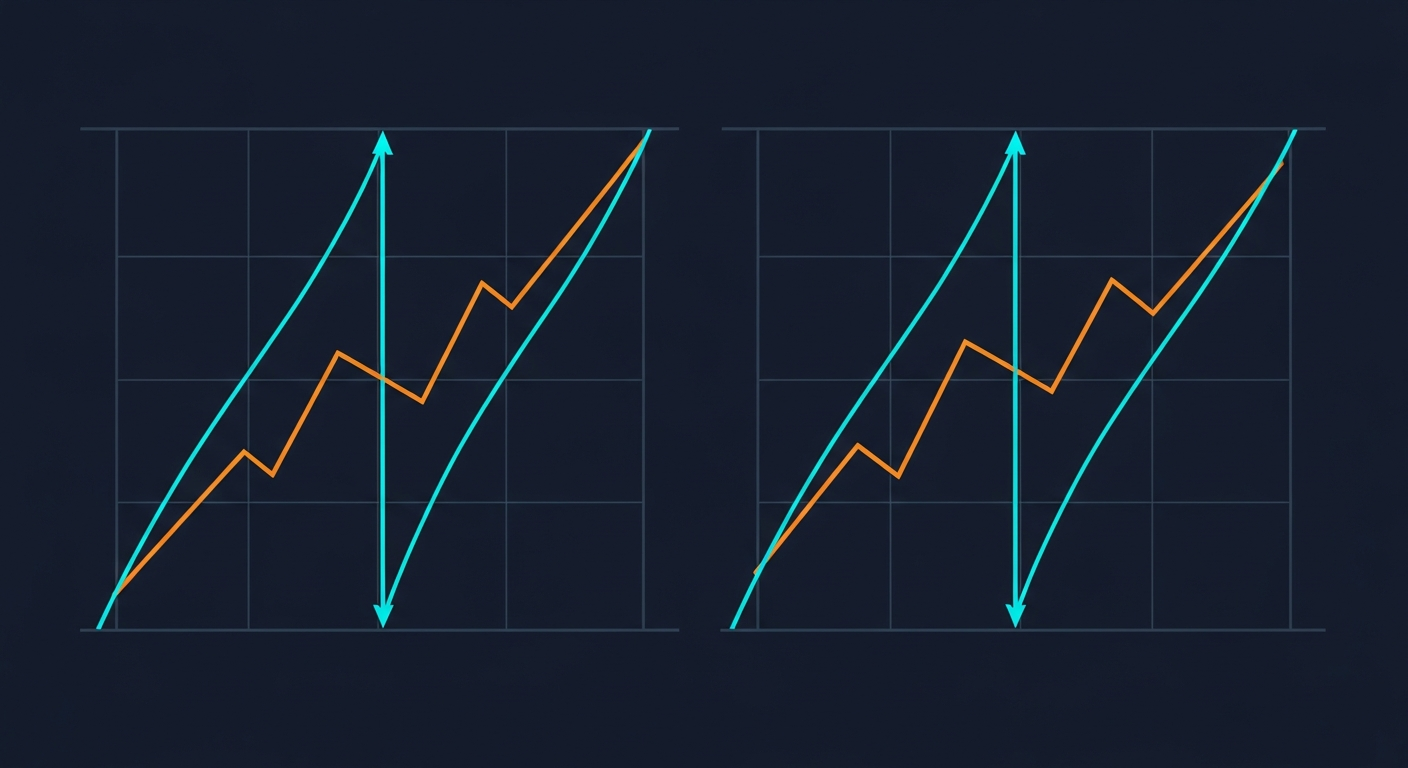
Ascending Channel
- Both trendlines slope upward
- Buy at lower trendline (support)
- Sell at upper trendline (resistance)
- Bullish bias overall
Descending Channel
- Both trendlines slope downward
- Sell at upper trendline
- Cover at lower trendline
- Bearish bias overall
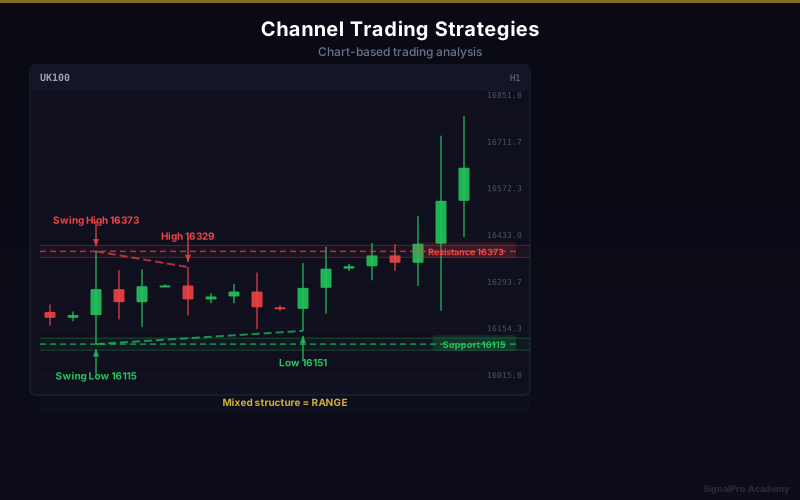
Horizontal Channel (Range)
- Flat support and resistance
- Buy low, sell high
- Breakout eventually occurs
Drawing Channels Correctly
Step-by-Step
- Identify at least 3 touch points
- Draw primary trendline through swing lows (ascending) or highs (descending)
- Draw parallel line through opposite swings
- Ensure price respects both boundaries
Channel Width
- Wider channels = larger profit potential
- Narrower channels = tighter stops possible
- Width should be consistent
Trading Strategies
Bounce Trading
- Buy at channel support with bullish candle
- Stop below support trendline
- Target opposite trendline
- Risk to reward often 1:2 or better
Breakout Trading
- Wait for price to break channel boundary
- Volume confirms breakout
- Target: Channel width projected from breakout
- Failed breakouts are powerful reversal signals
Median Line Strategy
- Draw midline of channel
- Price often reacts at midline
- Use as intermediate target or support
Channel Rules
- More touches = more valid channel
- Trade in direction of channel slope
- Counter-trend trades are riskier
- Channels eventually break
- Volume should increase at boundaries
Lesson Discussion