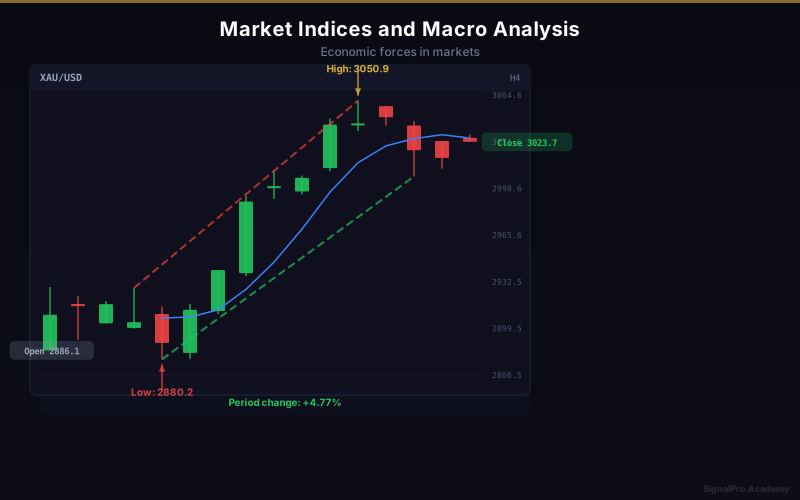
Market Indices and Macro Analysis
Understanding the broader market context is essential for individual stock trading.
Major Indices
S&P 500 (SPX)
- 500 largest US companies
- Most watched index globally
- Cap-weighted (big companies matter more)
- Benchmark for all US investing
NASDAQ Composite
- Technology-heavy
- More volatile than S&P
- Growth-oriented companies
- Leads in tech-driven markets
Dow Jones Industrial Average
- 30 blue-chip companies
- Price-weighted (unusual)
- Oldest major index
- Less representative of broad market
Russell 2000
- Small-cap stocks
- Leading indicator for economy
- More domestic-focused
- Higher beta than large caps
Macro Indicators for Stocks
Interest Rates
- Fed funds rate most important
- Rising rates = pressure on stocks
- Falling rates = support for stocks
- Watch 10-year Treasury yield
Inflation
- CPI is key measure
- High inflation = Fed tightening
- Moderate inflation = healthy economy
- Deflation = dangerous for stocks
Employment
- Monthly jobs report
- Unemployment rate
- Wage growth
- Strong jobs = strong economy
GDP Growth
- Quarterly economic growth
- Above 2% = healthy
- Negative = recession risk
- Leading indicators predict
Market Breadth
Advance/Decline Line
- More stocks rising = healthy market
- Divergence = warning signal
- Broad participation = strong trend
New Highs vs New Lows
- Bull market: More new highs
- Bear market: More new lows
- Divergence from index = watch out
Practical Application
- Check S&P 500 trend before individual trades
- Monitor Fed policy direction
- Watch VIX for fear levels
- Breadth confirms or warns
- Macro sets the stage, technicals time the entry
Lesson Discussion