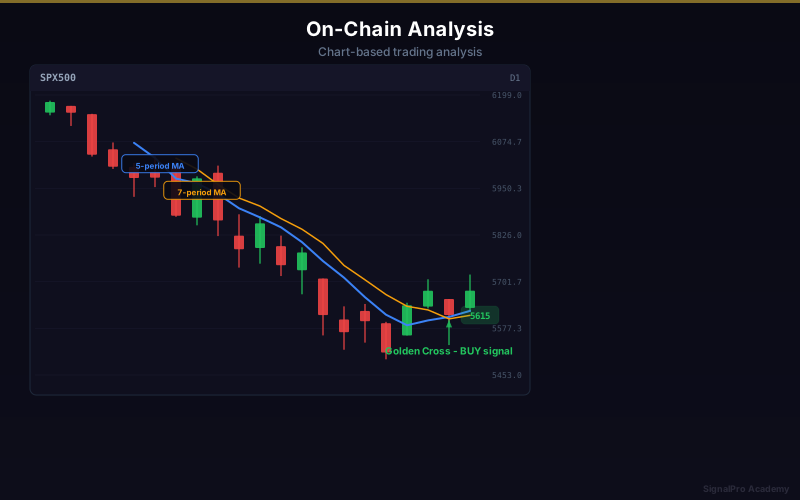
On-Chain Analysis
On-chain analysis uses blockchain data to understand market behavior and predict price movements.
What is On-Chain Analysis?
- Analyzing blockchain transaction data
- Tracking whale movements
- Monitoring exchange flows
- Measuring network health
Key On-Chain Metrics

Exchange Flows
- Exchange inflows: Coins moving to exchanges (potential sell pressure)
- Exchange outflows: Coins leaving exchanges (accumulation)
- Net flow: Overall direction
Active Addresses
- Number of unique addresses active daily
- Rising = growing adoption
- Falling = declining interest
- Correlates with price over time
HODL Waves
- Shows age of coins being moved
- Old coins moving = long-term holders selling
- Young coins dominating = speculation phase
- Aged coins accumulating = bottom forming
MVRV Ratio
- Market Value to Realized Value
- Above 3.5: Market overheated
- Below 1.0: Market undervalued
- Powerful cycle indicator
Whale Tracking
What to Watch
- Large transfers to exchanges (selling)
- Large transfers to cold wallets (holding)
- Whale wallet accumulation patterns
- Dormant wallet activation
Tools
- Glassnode
- CryptoQuant
- Santiment
- Whale Alert
Mining/Staking Metrics
Hash Rate (Bitcoin)
- Higher hash rate = more secure network
- Miner capitulation = potential bottom
- Hash ribbons indicator
Staking Ratio (Ethereum)
- More ETH staked = less sell pressure
- Staking APY trends
- Validator queue length
Practical Application
- Check exchange flows daily
- Monitor whale wallets for large moves
- Use MVRV for cycle positioning
- Combine on-chain with technical analysis
- On-chain for direction, TA for timing
Lesson Discussion