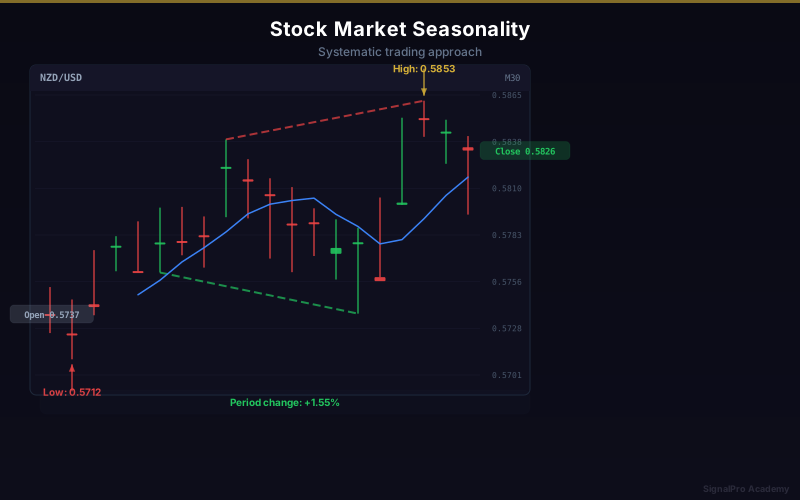
Stock Market Seasonality
Seasonal patterns in the stock market have persisted for decades and can improve your timing.
Major Seasonal Patterns
Sell in May and Go Away
- Historical underperformance May-October
- Better returns November-April
- Not every year but statistically significant
- Consider reducing exposure in summer
Santa Claus Rally
- Last 5 trading days + first 2 of new year
- Historically positive period
- Tax-loss selling ends
- Institutional window dressing
January Effect
- Small caps tend to outperform in January
- Tax-loss selling rebound
- New year allocation
- Less reliable in recent years
September Effect
- Historically weakest month
- Post-summer return
- Mutual fund fiscal year-end selling
- Increased volatility
Weekly Patterns
Monday Effect
- Historically weaker Mondays
- Weekend news digestion
- Less reliable now
Friday Strength
- Often positive before weekends
- Position squaring
- Short covering
Monthly Patterns
Options Expiration
- Third Friday of each month
- Increased volatility
- Pin risk near strike prices
- Quadruple witching quarterly
End of Month/Quarter
- Fund rebalancing
- Window dressing
- Can create temporary moves
Earnings Seasonality
Earnings Season
- January, April, July, October
- 2-3 weeks of heavy reports
- Market direction often set by big names
- Increased individual stock volatility
How to Use Seasonality
As a Filter
- Increase exposure in favorable months
- Reduce in historically weak periods
- Not a standalone strategy
- Combine with technical analysis
What NOT to Do
- Do not trade solely on seasonality
- Macro events override patterns
- Each year is different
- Use as additional confirmation only
Key Takeaways
- November-April historically strongest
- September historically weakest
- Options expiration increases volatility
- Use as filter, not primary strategy
- Combine with other analysis methods
Lesson Discussion