Swing Trading Mastery
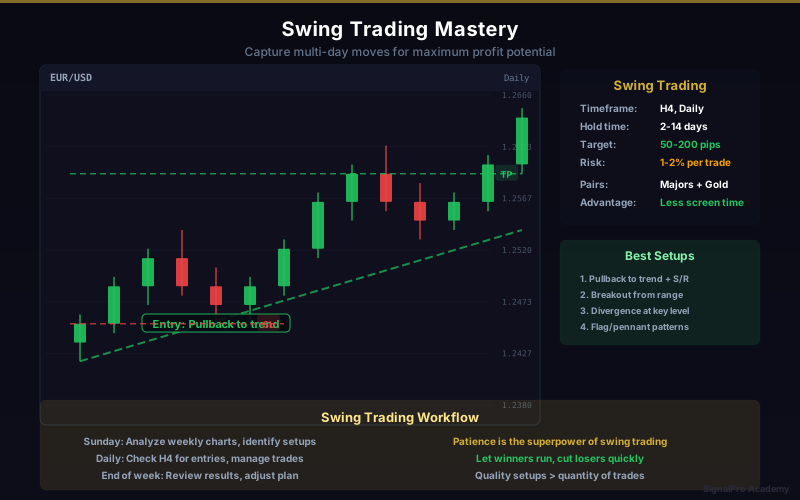
Swing trading captures medium-term moves over days to weeks, perfect for those with limited time.
What is Swing Trading?
- Hold trades for days to weeks
- Target 100-500+ pips
- Less screen time required
- Focus on higher timeframes
Advantages of Swing Trading
Time Efficiency
- Analyze once or twice daily
- No constant monitoring
- Works with a day job
- Less stressful
Better Setups
- Higher timeframe patterns
- More reliable signals
- Less noise
- Wider stops, better R:R
Lower Costs
- Fewer trades = less spread cost
- No need for ultra-low spreads
- Swap/rollover manageable
Swing Trading Timeframes
Analysis Timeframe
- Weekly for trend direction
- Daily for setup identification
- H4 for entry refinement
Entry Timeframe
- Daily or H4
- Sometimes H1 for precision
- Not lower than H1
Swing Trading Strategies
1. Trend Pullback Strategy
- Identify trend on weekly/daily
- Wait for pullback to key level
- Enter on daily confirmation candle
- Target: Previous swing high/low
2. Range Breakout Strategy
- Mark daily range boundaries
- Wait for clear break with volume
- Enter on retest or immediate break
- Target: Range width projection
3. Moving Average Bounce
- Use 50 and 200 SMA on daily
- Trade pullbacks to MAs in trends
- Enter on rejection candle
- Wide stop, ride the trend
4. Fibonacci Swing Entry
- Mark significant swing points
- Draw Fibonacci retracement
- Enter at 61.8% with confirmation
- Target: 161.8% extension
Risk Management
Position Sizing
- Still risk 1-2% per trade
- Smaller lot size due to wider stops
- Quality over quantity
Stop Loss Placement
- Beyond key structure
- Account for volatility (ATR)
- Give trade room to breathe
- Usually 50-150+ pips
Take Profit Strategy
- Partial profits at TP1
- Trail remainder
- Let winners run
- Target major swing points
Holding Overnight/Weekend
Swap Costs
- Consider positive/negative swaps
- Can add up over time
- Factor into trade plan
Gap Risk
- Weekend gaps can occur
- Major news can cause gaps
- Size accordingly
- Use wider stops
Daily Routine
Morning Analysis (30 min)
- Review open positions
- Check daily closes
- Identify new setups
- Set alerts at key levels
Evening Review (15 min)
- Update trade journal
- Adjust stops if needed
- Remove invalid setups
- Prepare for next day
Key Principles
- Patience is paramount
- Let trades develop
- Don't micromanage
- Trust your analysis
- Focus on quality setups
Lesson Discussion