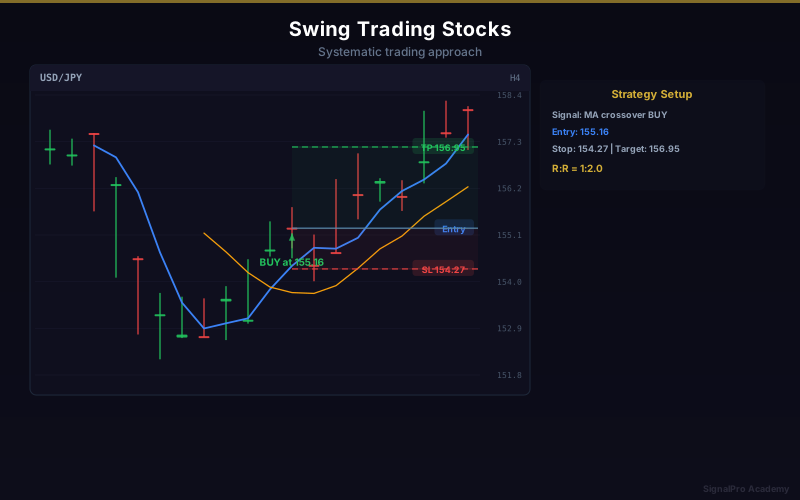
Swing Trading Stocks
Swing trading captures moves lasting days to weeks, balancing returns with time commitment.
What is Swing Trading?
Definition
- Hold positions 2-10 days typically
- Capture short-term price swings
- Less time-intensive than day trading
- Works with a full-time job
Why Swing Trade Stocks?
- Overnight moves can be profitable
- Less stress than day trading
- Wider stops mean less noise
- Better risk-reward potential
Setup Identification
Pullback to Support
- Stock in clear uptrend
- Pulls back to key support
- Shows reversal candle
- Enter with stop below support
- Target: Previous high or higher
Breakout Trade
- Tight consolidation pattern
- Volume contracting
- Price breaks out with volume
- Enter on breakout or retest
- Target: Pattern measured move
Mean Reversion
- Stock extended from moving average
- RSI at extreme level
- Wait for reversal signal
- Trade back toward mean
- Tighter targets
Entry Techniques
End-of-Day Entry
- Analyze after market close
- Place orders for next day
- Less screen time needed
- Clear head decisions
Opening Range Entry
- Watch first 30-60 minutes
- Enter on direction confirmation
- Higher conviction setup
- More active management
Risk Management
Stop Placement
- Below swing low for longs
- Above swing high for shorts
- Account for gap risk
- Wider than day trade stops
Position Sizing
- Risk 1% of account per trade
- Account for potential gap risk
- Reduce size before earnings
Holding Period
- Define maximum hold time
- If not working after 5 days, reassess
- Do not let swings become investments
Scanning for Setups
Daily Routine
- Scan for pullback setups
- Check relative strength leaders
- Review watchlist levels
- Set alerts and orders
- Journal closed trades
Key Rules
- Trade with the trend
- Wait for confirmation before entry
- Always set stops before entry
- Take partial profits at first target
- Review and journal every trade
Lesson Discussion