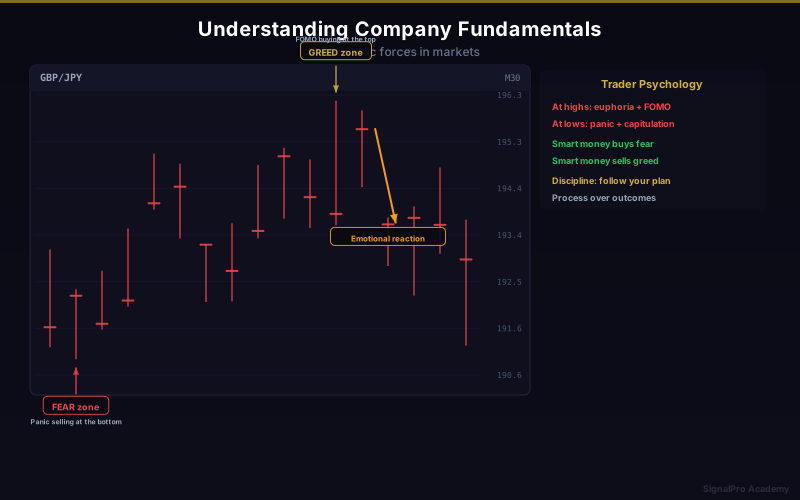
Understanding Company Fundamentals
Fundamental analysis helps you find quality companies at fair prices.
Key Financial Statements
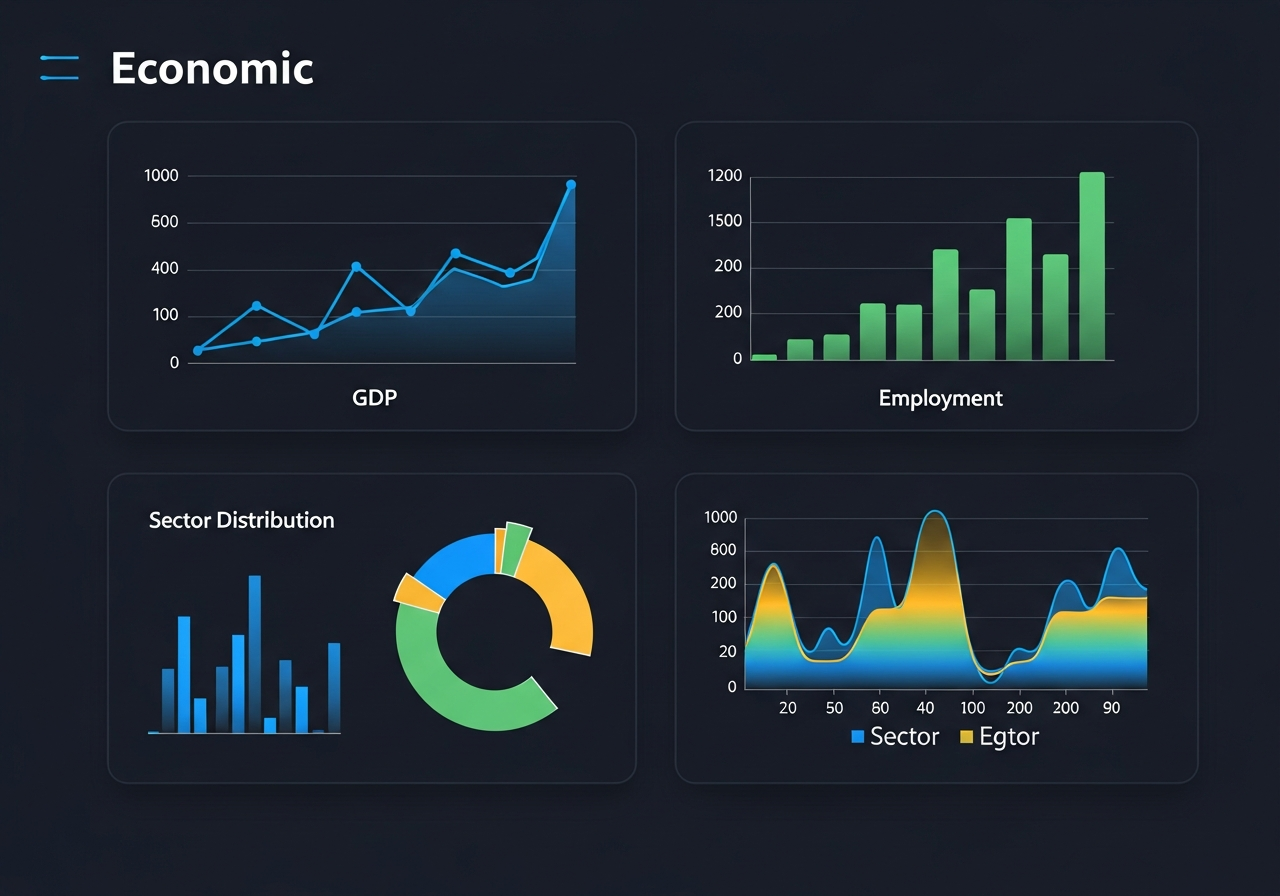
Income Statement
- Revenue: Total sales
- Gross Profit: Revenue minus cost of goods
- Operating Income: After operating expenses
- Net Income: Bottom line profit
Balance Sheet
- Assets: What company owns
- Liabilities: What company owes
- Equity: Assets minus liabilities
- Snapshot of financial health
Cash Flow Statement
- Operating Cash Flow: From business
- Investing Cash Flow: Capital expenditure
- Financing Cash Flow: Debt and equity
- Cash is king
Essential Ratios
Valuation Ratios
- P/E Ratio: Price / Earnings per share
- P/S Ratio: Price / Revenue per share
- P/B Ratio: Price / Book value
- PEG Ratio: P/E / Growth rate
Profitability Ratios
- Profit Margin: Net income / Revenue
- ROE: Return on Equity
- ROA: Return on Assets
- ROIC: Return on Invested Capital
Health Ratios
- Debt/Equity: Financial leverage
- Current Ratio: Short-term liquidity
- Free Cash Flow: Cash after capex
What to Look For
Strong Company Signs
- Growing revenue consistently
- Expanding margins
- Strong cash flow
- Manageable debt
- Competitive moat
Warning Signs
- Declining revenue
- Negative cash flow
- Rising debt levels
- Frequent share dilution
- Insider selling
Where to Find Data
- SEC filings (10-K, 10-Q)
- Yahoo Finance, Google Finance
- Company investor relations page
- Financial data providers
Key Takeaways
- Revenue growth is most important
- Cash flow matters more than earnings
- Compare ratios to industry peers
- Look at trends, not single quarters
- Combine with technical analysis for timing
Lesson Discussion