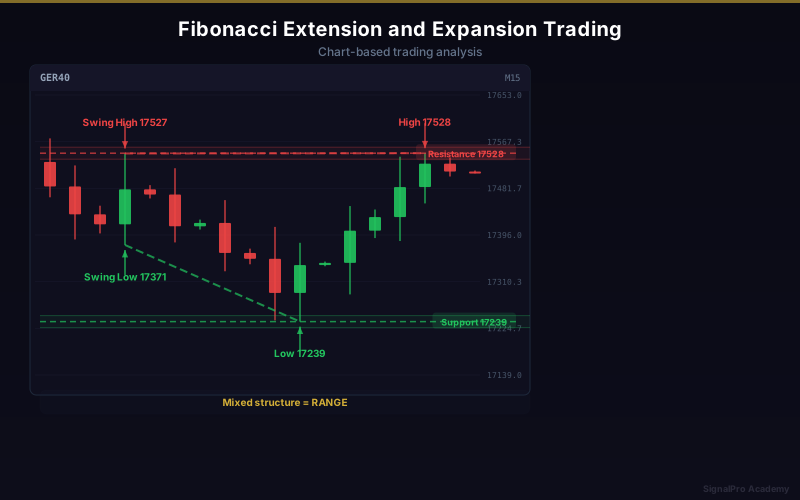
Fibonacci Extension and Expansion Trading
While most traders know Fibonacci retracements, extensions and expansions are equally powerful for setting precise profit targets and identifying where trends are heading.
Fibonacci Retracement vs Extension
Retracement (Review)
- Measures how far price pulls back within a trend
- Key levels: 23.6%, 38.2%, 50%, 61.8%, 78.6%
- Used to find entry points during pullbacks
Extension
- Projects where price may go BEYOND the original swing
- Key levels: 127.2%, 161.8%, 200%, 261.8%
- Used to set profit targets after a retracement entry
Expansion (also called "Projection")
- Uses three points (A, B, C) to project the next swing
- Measures the AB swing and projects it from C
- Key levels: 61.8%, 100%, 127.2%, 161.8%
How to Draw Fibonacci Extensions
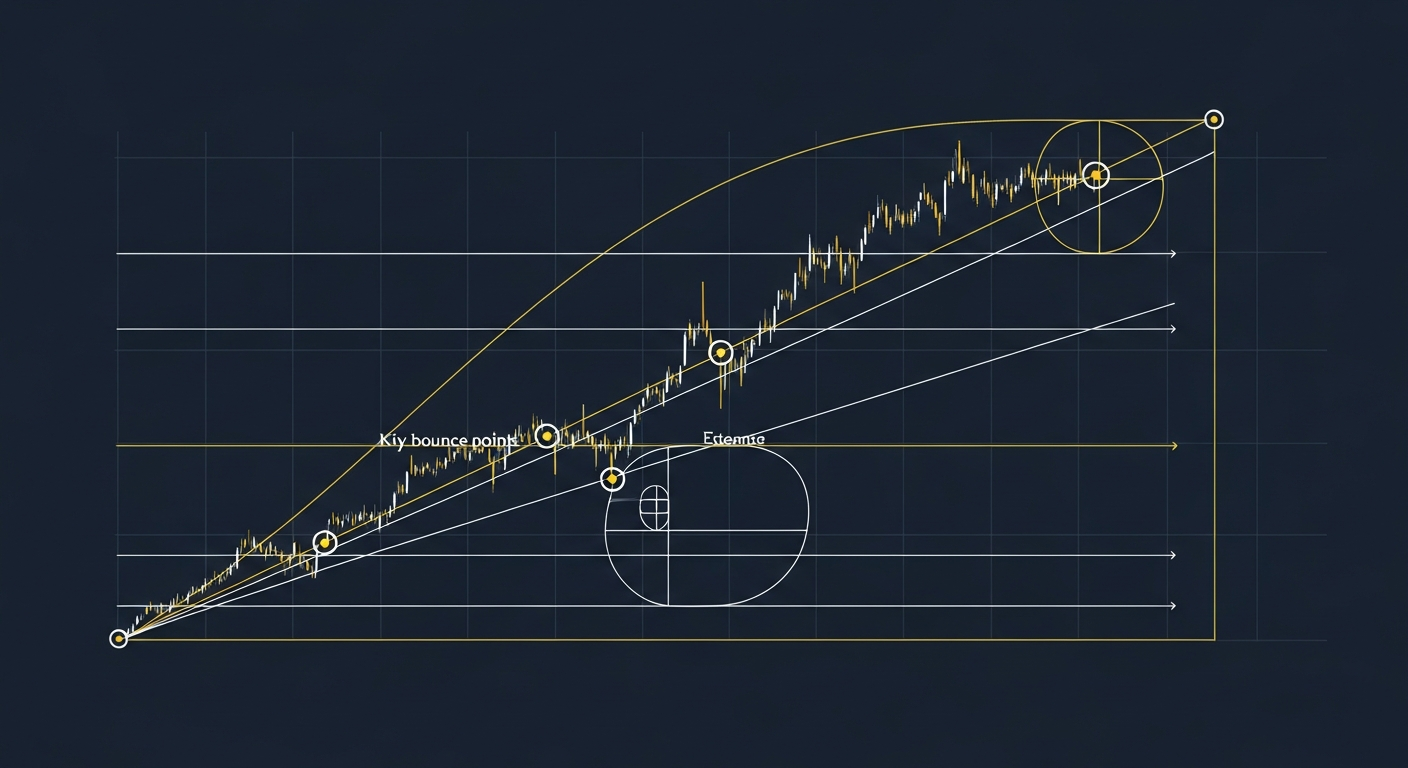
For an Uptrend
- Identify the swing low (start of the move)
- Identify the swing high (end of the impulse)
- Draw the Fibonacci from low to high
- Extension levels appear beyond the high
- These are your upside targets
For a Downtrend
- Identify the swing high (start of the move)
- Identify the swing low (end of the impulse)
- Draw from high to low
- Extension levels appear beyond the low
- These are your downside targets
Key Extension Levels
127.2% Extension
- First extension target after a breakout
- Conservative profit target
- Good for TP1 in a multi-target strategy
- Often reached in moderate trends
161.8% Extension (The Golden Ratio)
- Most important Fibonacci level
- Strong targets and reversal zones
- Good for TP2
- Where significant reactions often occur
200% Extension
- Equal measured move
- If AB was 100 pips, the extension target is 200 pips from A
- Commonly used for measured move targets
261.8% Extension
- Extended target for strong trends
- Good for TP3 (letting winners run)
- Reached in powerful impulse moves
- Use as a trailing target
Fibonacci Expansion Method
Three-Point Projection
- Point A: Start of the first impulse
- Point B: End of the first impulse
- Point C: End of the retracement
- Draw the tool from A to B, then anchor to C
- Expansion levels project from C in the trend direction
Trading with Expansions
- 61.8% expansion: Minimum expected move
- 100% expansion: Equal to the original AB move
- 127.2% expansion: Strong trend target
- 161.8% expansion: Extended trend target
Cluster Analysis
What is a Fibonacci Cluster?
- When multiple Fibonacci levels from different swings converge at the same price
- Creates an extremely strong support or resistance zone
- Higher probability of price reacting at cluster zones
How to Find Clusters
- Draw Fibonacci extensions from multiple timeframes
- Draw from different swing points
- Note where multiple levels align within a 10-20 pip range
- These clusters are your highest conviction zones
Combining Extensions with Other Tools
With Support/Resistance
- Extension level at a key historical S/R = very strong target
With Moving Averages
- Extension level near the 200 EMA = confluence target
With Round Numbers
- Extension at a psychological level (1.3000, 150.00) = confluence
Key Takeaways
- Extensions project targets beyond the swing, retracements find entries within the swing
- 161.8% is the most important extension level
- Cluster zones where multiple Fibonacci levels converge are the highest probability areas
- Use extensions for take profit targets in a multi-target strategy
- Combine with support/resistance and volume for maximum accuracy
Lesson Discussion